
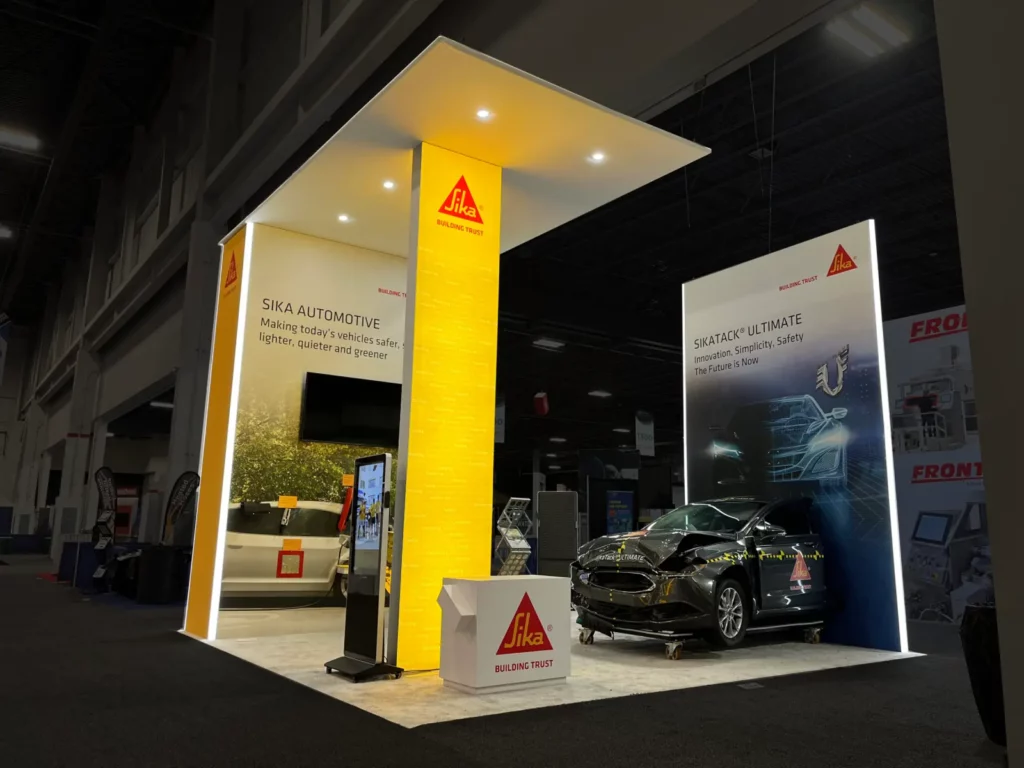
Participating in trade shows can be a worthwhile investment for businesses in a huge range of industries. The cost of setting up a trade show booth can vary widely, ranging from a few thousand to tens of thousands of dollars, depending on several factors like the show location and booth size and design. Accurate budgeting is crucial for companies to ensure that you’re able to maximize your return on investment. Here’s a guide to various trade show expenses, helping you make informed decisions and maximize the impact of trade show participation.
Breaking Down the Costs by Type & Booth Size
When planning a trade show booth, companies face a variety of costs that can significantly impact their budget. These expenses can be broken down into several key categories:
- Booth Design and Construction: Booth size is the first factor to consider, since larger spaces often require more materials and intricate designs. More elaborate designs also tend to necessitate more specialized labor and costly materials.
- AV & Technology: Integrating modern technology into a booth can be crucial for attracting attendees and effectively demonstrating products or services. The type of technology you require depends on your goals for the event. Some possibilities include monitors, iPads, LED tiles, and video walls. Labor costs for installing and dismantling the equipment also contribute to the overall cost.
- Flooring and Furniture: The right furnishings for your booth affect both comfort and visual appeal. Flooring options can range from simple carpeting to custom-designed tiles. Furniture costs also vary based on the style, comfort, and functionality needed to meet your goals for the event.
- Lighting: Basic lighting setups may be adequate for some booths. However, spotlights and lighted displays can often set booths or important features apart and be worth the extra cost. The right lighting choices affect both aesthetics and functionality of various features.
Overall, the cost of setting up a trade show booth can vary significantly based on all the factors above. For basic, smaller booths using standard materials and simple designs, costs might start as low as $100 to $150 per square foot. This includes modest AV and technology setups, standard carpeting, basic furniture, and straightforward lighting.
Mid-range booths, which may feature custom designs, enhanced AV technology such as high-quality video walls, custom flooring, and branded furniture, can cost anywhere from $300 to $600 per square foot.
For high-end, elaborate booths that incorporate large-scale, intricate designs, premium materials, state-of-the-art technology, and sophisticated lighting systems, costs can escalate to $1,000 per square foot or more.
Once you consider your goals, overall budget, and booth size, you can more accurately come up with a specific idea of your potential costs.
Variable Costs to Consider
There are also several variable costs to consider when budgeting for trade shows. These costs can fluctuate based on a variety of factors, including:
- Shipping and Material Handling: Shipping and material handling (drayage) are calculated based on weight and volume. These costs fluctuate based on the distance to the venue and the specific ‘weight minimums’ set by show contractors.
- Labor and Personnel Costs: Staffing costs include wages, travel, accommodation, and daily expenses. Additional labor may be required for assembling and dismantling the booth.
- Show Services and Miscellaneous Expenses: Essential services like electricity and internet access are often costly but critical for booth operation.
Smart Play: Work with a single partner who handles exhibit design, fabrication, shipping and installation. One point of contact simplifies communication and removes the finger‑pointing that can occur when multiple vendors share responsibility.
Venue & Location Costs
The cost of participating in a trade show can vary dramatically depending on the venue and location, primarily due to differences in union rules, city-specific costs, and venue fees. These factors can influence everything from booth rental to the cost of services and labor:
- Impact of Venue and Location: Union rules at certain venues, particularly in cities like Chicago or New York, can significantly increase labor costs due to specific requirements for handling and setup. Booth rental and service costs can also vary. Specifically, venues in major markets tend to charge more due to increased demand.
- Choosing the Right Space: To save money while maintaining visibility, consider selecting a booth space that is near entrances, food areas, or along main walkways. Corner booths or those at the end of rows can also offer increased visibility without premium costs.
The Do’s: Maximizing Your Trade Show Investment
Maximizing your investment in trade show participation requires strategic planning and attention to detail in several key areas:
- Design for Attraction: An aesthetically pleasing yet functional booth design is critical in drawing attendees and encouraging interaction. Work with skilled designers, architects, and production teams to create a design that represents your brand and meets your marketing objectives.
- Prioritize Layout for Engagement: A smooth visitor experience is as critical as aesthetic appeal. Focus on a layout that defines a natural path for attendees, ensuring demo tables and lead-capture stations are placed intuitively. If possible, include seating areas for tired show guests to rest. A comfortable visitor is far more likely to stay for a demo and remember your name later.
- The Role of Customization: Fully customized booths can be quite expensive, but modular components, reusable elements, and custom rentals can provide a tailored look without the full cost of a custom build.
- Calculating ROI: ROI from trade shows should consider both tangible benefits like sales and leads and intangible benefits like brand exposure and networking. Set clear objectives before the event and use tools like lead capture software and post-event surveys to measure success.
The Don’ts: Costly Booth Planning and Design Mistakes
Even a well-funded booth can underperform if critical details are overlooked. By recognizing these common mistakes, you can proactively protect your budget and ensure your brand makes a meaningful impact on the show floor.
- Underestimating Logistics and Labor: Freight costs and venue setup can quickly push a project over-budget if not accounted for beforehand. To minimize these, utilize lightweight modular frames and ensure your booth is packed in jigged crates that allow for fast, tool-free assembly.
- Settling for “Aisle Camouflage”: Booth design fails when it tries to communicate too much at once and ends up blending in with other vendors. Select a single, high-impact focal point and headline that immediately tells passersby why your brand is worth their time.
- Sacrificing Flow for Aesthetics: A beautiful booth is ineffective if the floor plan feels cramped or confusing. Prioritize an intuitive layout that guides visitors toward demo stations while keeping unsightly storage and shipping cases completely out of view.
- Treating Business Cards as a Lead Strategy: Relying solely on business cards or passive giveaways often leads to a “dead” lead list. Use interactive digital touchpoints and gamified demos that feed directly into your CRM for immediate post-show follow-up.
- Overlooking Attendee Exhaustion: Trade show floors are physically demanding, and a tired prospect is less likely to engage. By incorporating comfortable seating or open “breathing room” into your footprint, you encourage visitors to stay longer and focus on your message.
- Focusing on Vanity Metrics: Handing out high volumes of “swag” doesn’t necessarily translate to ROI. Success should be measured by qualified leads and booked meetings, using tools like badge scanners and heat maps to track genuine engagement.
- Losing Momentum After the Show: The value of a trade show extends beyond the final day of the event. Share high-quality content in your networks to keep your brand top-of-mind, and quickly engage the contacts you made with clear next steps.
Case Studies and Examples
At Lindsay Exhibit Group, we’ve worked with many clients to help them incorporate technology, design, and strategic location choices that balance both cost and impact.
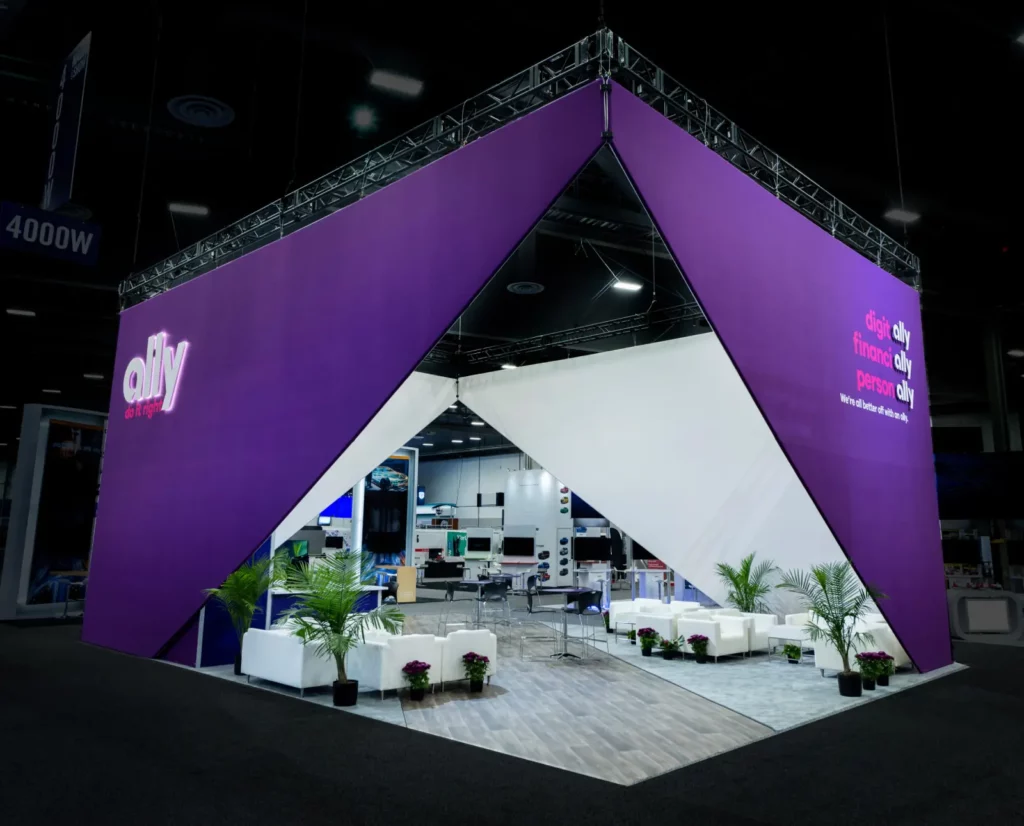
For example, our work for Ally has varied significantly depending on the show, location, type of exhibit, and other associated costs. For shows with more space availability and a higher ROI potential, the brand utilized large seating areas, screens, and other features to deliver a high impact. However, those where space and budget were more tight can require a smaller booth with just one or two cost effective features.
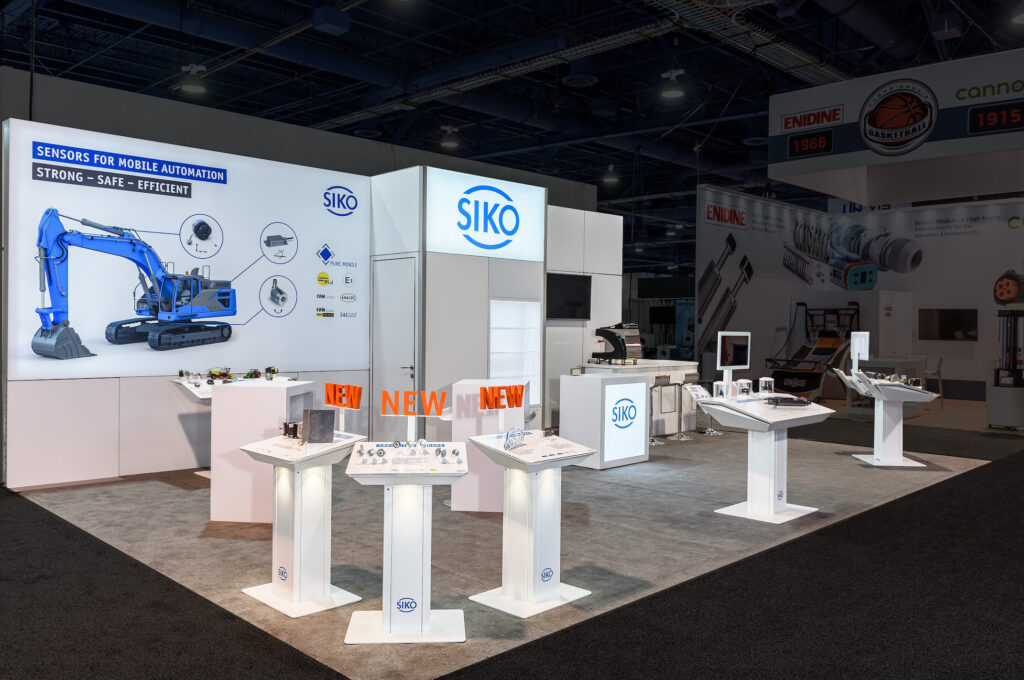
Another prominent client we’ve worked with is sensor electronics manufacturer SIKO. For this brand’s booth, we’ve made the most of space and budget by calling attention to the company’s most important tech features in hands-on displays. Other high impact features include large signage and display lighting.
Overall, planning and budgeting for a trade show booth requires understanding a huge range of potential costs from booth design to labor expenses. Understanding these variables can help you invest wisely in these areas and significantly enhance your ROI. At Lindsay Exhibit Group, we specialize in designing trade show booths that are tailored to the specific budgetary needs and goals of each client.
Reach out to learn more about our process and maximize you investment in your next trade show.
FAQ
Trade show booth costs typically fall into three tiers. For a standard 10×10 space, basic setups often start at $100–$150 per square foot ($10k–$15k total), mid-range custom designs at $300–$600 per square foot ($30k–$60k total), and high-end, elaborate exhibits exceeding $1,000 per square foot. These ranges cover design and construction but can vary based on your specific goals and material choices. If you’re planning a compact footprint, our guide to 10×10 trade show booth ideas covers exactly how to maximize every inch on any budget.
A comprehensive booth budget includes design, fabrication, and structural materials, as well as any desired AV technology, custom lighting, and furniture. Beyond the physical build, you should factor in essential variable expenses such as shipping, material handling, venue utilities, and the specialized labor required for professional installation and dismantling.
The most overlooked expenses are often “show services,” specifically drayage (material handling) and utility hookups for power and internet. These costs vary dramatically by venue; for example, major markets like Chicago or New York often have strict union rules and higher service fees that can significantly increase your labor and setup budget compared to smaller markets.
Buying is a long-term investment best for companies with a consistent show schedule, while custom rentals offer a tailored look without the full upfront cost or long-term storage fees. Many exhibitors find success with a hybrid approach, using modular components or reusable elements to maintain a custom feel while keeping the overall investment flexible.
You can lower costs by opting for modular components or custom rentals, which provide a professional look without the full expense of a bespoke build. Additionally, choosing lightweight materials and planning ahead to avoid rush shipping fees can significantly reduce logistical costs. Selecting a booth location near high-traffic areas like entrances or food courts can also maximize visibility without requiring a larger, more expensive footprint.